Daniel WillinghamDaniel Willingham · Article · 2021 · USA
Minding the Gap
 Natalie Wexler (Minding the Gap) · Substack · 2026 · USA
Wexler argues that explicit instruction and retrieval practice are not enough on their own, and that students also need to elaborate on new knowledge, with writing as a practical way to do it.
Jamie Clark (DistillED)
Jamie Clark (DistillED) · Newsletter article · 2026 · Australia
A framework for designing lessons that secure, direct and orchestrate students' attention, written up from a webinar. Covers distractions from devices, peers, the room and busy slides.
WAGOLL Teaching
 Ben Cooper (WAGOLL Teaching) · Substack · 2026 · UK
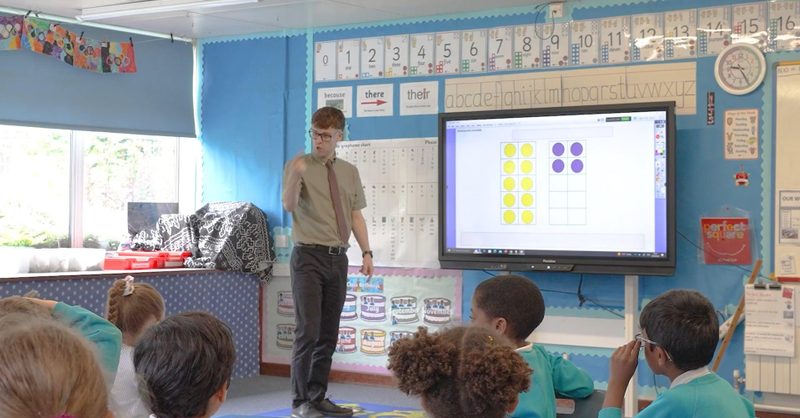
A primary lesson recount showing dual coding used properly, with words, diagrams and gesture working together rather than decorative icons on slides.
Jamie ClarkJamie Clark · One-page guide · Australia
Shows how to design slides and handouts that cut clutter, keep information visible and keep related material together, with short subject examples for each cognitive load effect.
Paul Kirschner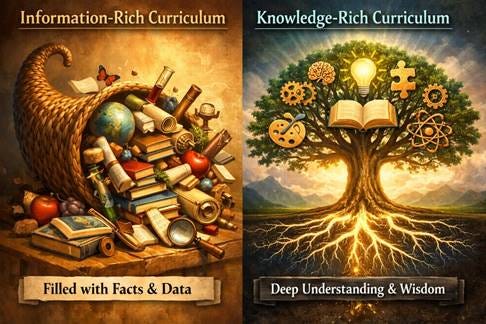
 Paul Kirschner · Substack · 2026 · International
Kirschner separates a knowledge-rich curriculum, which is sequenced so ideas build on each other across years, from one that simply piles up facts, and explains why the difference matters for teachers and schools.
Ambition Institute (Peps Mccrea)
Ambition Institute (Peps Mccrea) · Paper · UK
Centre for Education Statistics and Evaluation (NSW)
Centre for Education Statistics and Evaluation (NSW) · Research summary · 2017 · Australia
Deans for ImpactDeans for Impact · Research summary · 2026 · USA
Slava Kalyuga
Slava Kalyuga · Article · UK
Martin Ravindran, Journal of Think Forward EducatorsMartin Ravindran, Journal of Think Forward Educators · Journal article (PDF) · 2024 · Australia
A brief teacher-written introduction to cognitive load theory by Martin Ravindran, suitable as pre-reading for a staff session.
Susan Gathercole and Tracy Packiam AllowaySusan Gathercole and Tracy Packiam Alloway · Guide · 2007 · UK
A classroom guide to working memory by researchers Susan Gathercole and Tracy Packiam Alloway, hosted by the University of Cambridge. Older, but still a well-known introduction for teachers.
Dr Nathaniel Swain
 Nathaniel Swain · Substack · 2026 · Australia
Swain answers the claim that explicit teaching produces passive learners. He shows how building secure foundations first lets students generate and apply ideas, so knowledge becomes something to think with.
Tom Sherrington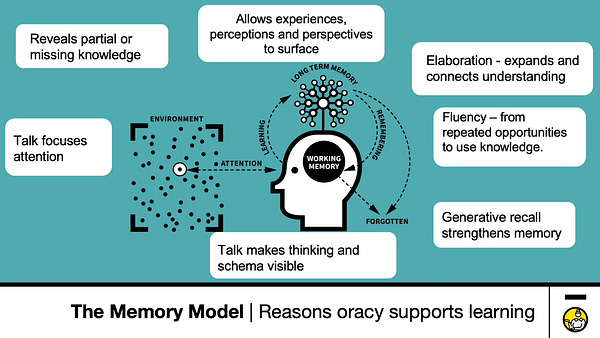
 Tom Sherrington · Substack · 2026 · UK
Sherrington uses a simple memory model to explain how talk supports learning, and argues that if talk helps students learn, routines must give every student the chance to talk, not just a few.
The Learning Dispatch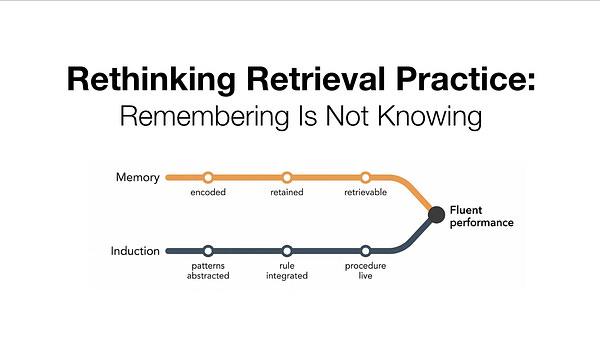
 Carl Hendrick (The Learning Dispatch) · Substack · 2026 · UK
Using two recent studies, Hendrick shows that students can remember more yet apply no better, and argues retrieval practice works best to maintain knowledge that has first been properly understood.
Tips for Teachers Craig Barton (Tips for Teachers) · Substack · 2026 · UK
Barton breaks down a meta-analysis of classroom experiments on adding pictures and diagrams to explanations, including where visuals helped most and how to use them well.
No More Marking
 Daisy Christodoulou (No More Marking) · Substack · 2025 · UK
Starting with her grandmother's mental arithmetic, Christodoulou asks whether technology lets us skip the practice that builds knowledge and skill, and why schools need to keep those cognitive muscles working.
On Education
 Rebecca Birch (On Education) · Substack · 2026 · Australia
Birch explains how new research on prior knowledge and the expertise reversal effect has partly changed her view on whether gifted learners always need explicit teaching before problem solving.
Doug Lemov's Field Notes Doug Lemov (Doug Lemov's Field Notes) · Substack · 2026 · USA
Lemov shares notes on Daniel Willingham's explanation of why stories are easier to understand and remember, and what that means for how teachers structure explanations and use shared stories.
Jamie ClarkJamie Clark · One-page guide · Australia
Distils Daniel Willingham's account of how thinking and memory work, and what that means for planning lessons that make students think hard about the right things.
Paul Kirschner
Paul Kirschner · Substack · 2025 · International
A clear explainer on the limits of working memory and how schemas and chunking let learners hold and use more, with implications for how teachers sequence and present new material.
AERO
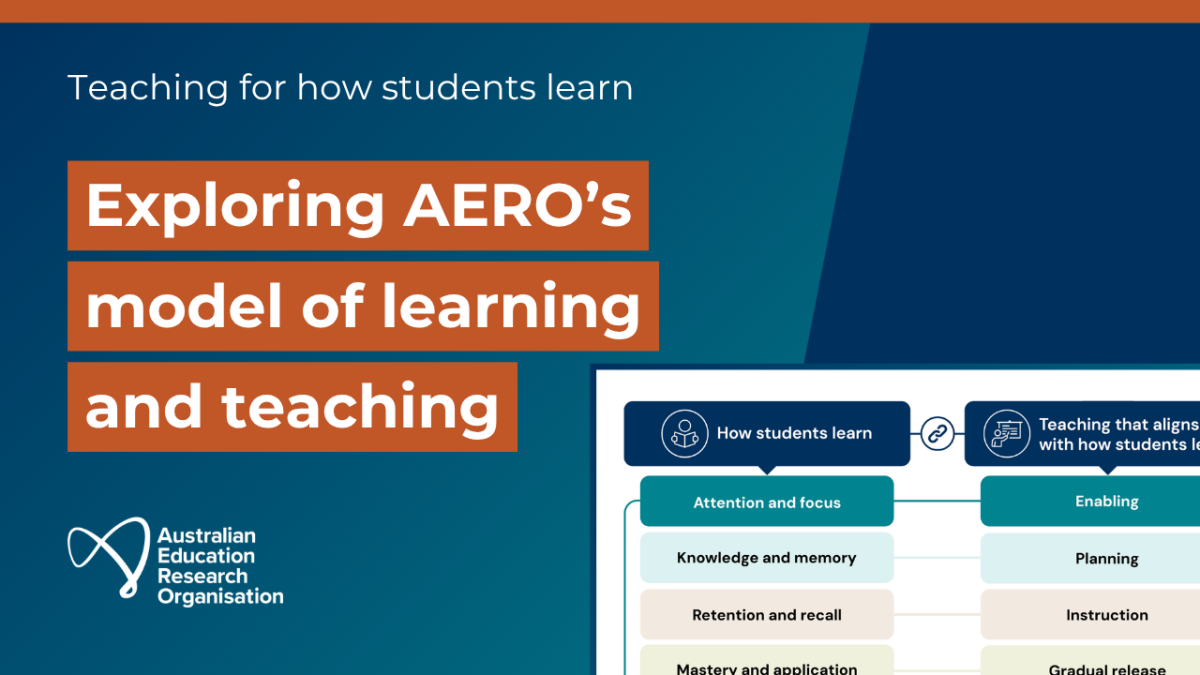
AERO · Research summaries and explainers · Australia
Daniel Willingham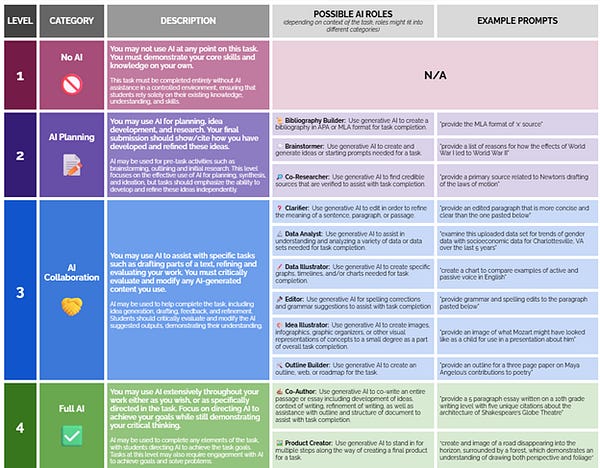
 Daniel Willingham · Substack · 2026 · USA
Willingham proposes a guiding rule for school AI policies, that students should only use AI for tasks they can already do well, so the tools do not replace important thinking.
Minding the Gap
Natalie Wexler (Minding the Gap) · Substack · 2024 · USA
Wexler introduces Graham Nuthall's research on what students actually learn in class, including his finding that students typically need to meet a concept several times before it sticks.
Jamie Clark (DistillED)
Jamie Clark (DistillED) · Newsletter article · 2026 · Australia
Looks at the evidence on handwriting versus typing and argues the slowness of handwriting can aid learning, with guidance on deciding which to use.
WAGOLL Teaching
Ben Cooper (WAGOLL Teaching) · Substack · 2025 · UK
The first in a series on task design, explaining how tasks such as comparing, sequencing and chunking help primary children organise knowledge so it sticks.
Centre for Education Statistics and Evaluation (NSW)
Centre for Education Statistics and Evaluation (NSW) · One-page summary · 2017 · Australia
The Learning Dispatch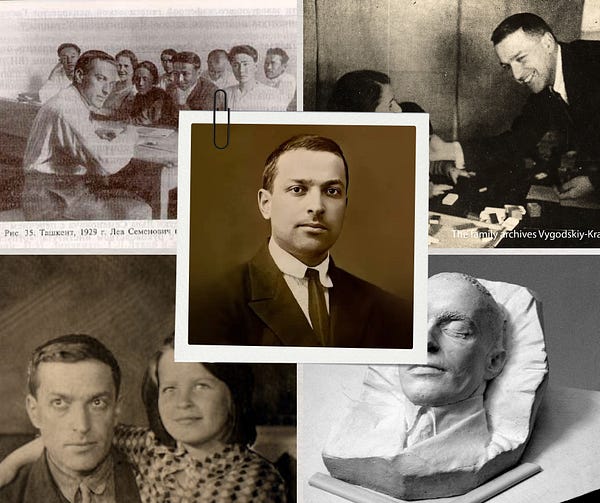
Carl Hendrick (The Learning Dispatch) · Substack · 2025 · UK
Hendrick traces how translations and selective readings turned Vygotsky into a champion of discovery learning, and argues his own work placed far more weight on teaching systematic, scientific concepts.
No More Marking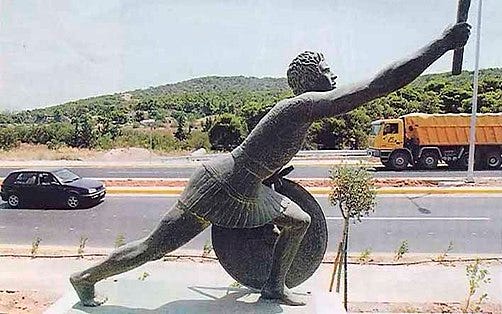
Daisy Christodoulou (No More Marking) · Substack · 2025 · UK
Using a marathon metaphor, Christodoulou explains why students should still learn to write when AI can produce text, because the purpose of writing in school is the thinking it builds.
Jamie ClarkJamie Clark · One-page guide · Australia
Explains why students remember what they produce themselves, and offers five classroom moves for sequencing AI use so it does not take over the thinking students need to do.
Paul KirschnerPaul Kirschner · Substack · 2026 · International
Kirschner questions failure-first lesson designs, arguing that struggle before students have the knowledge to make sense of it is rarely a desirable difficulty, and that support should come first.