Lesson with commentary
Teach explicitly: Primary and secondary (opens in a new tab)
AERO · F-10 · Australia
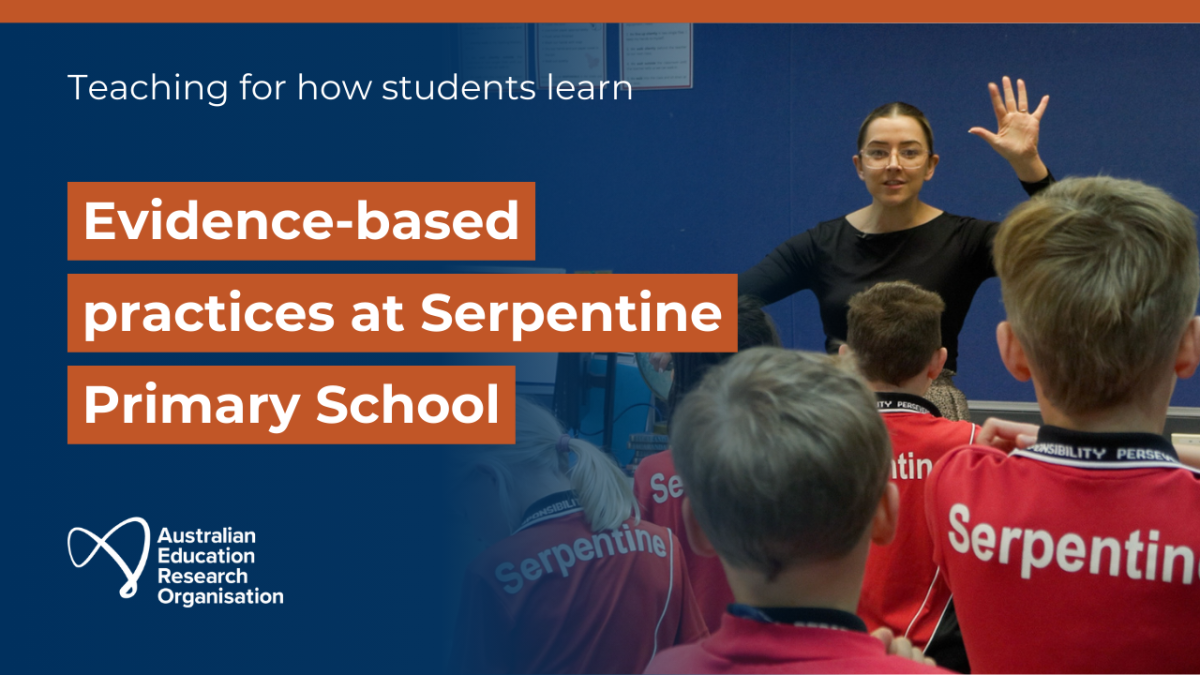
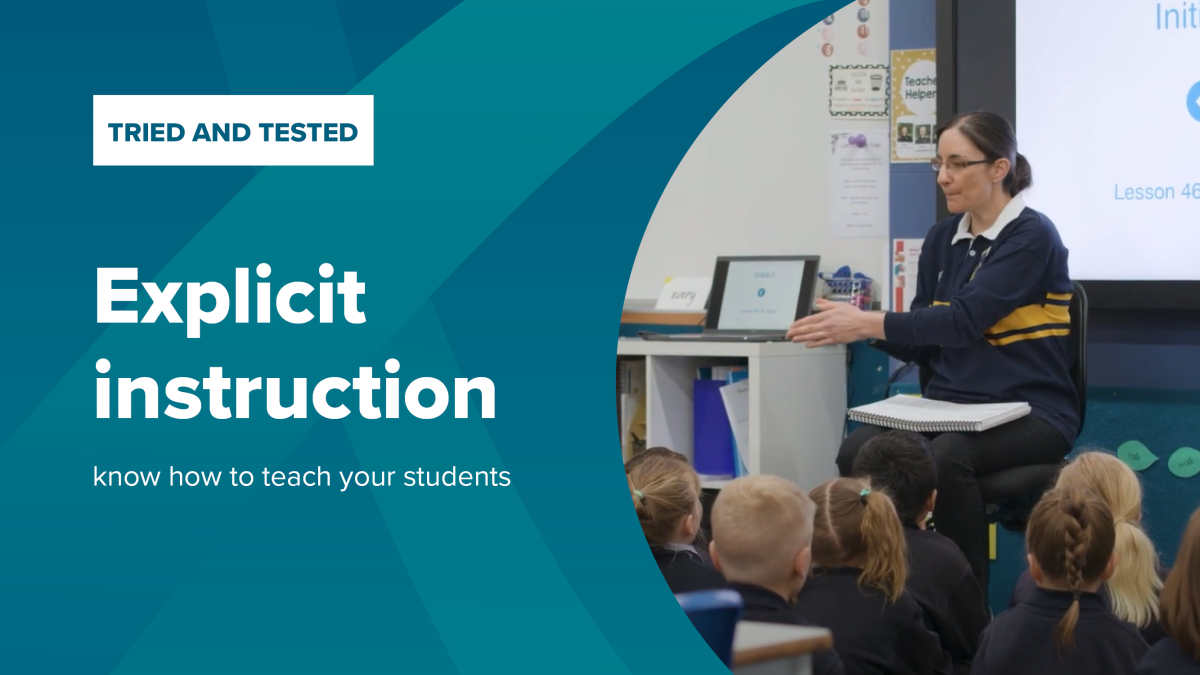
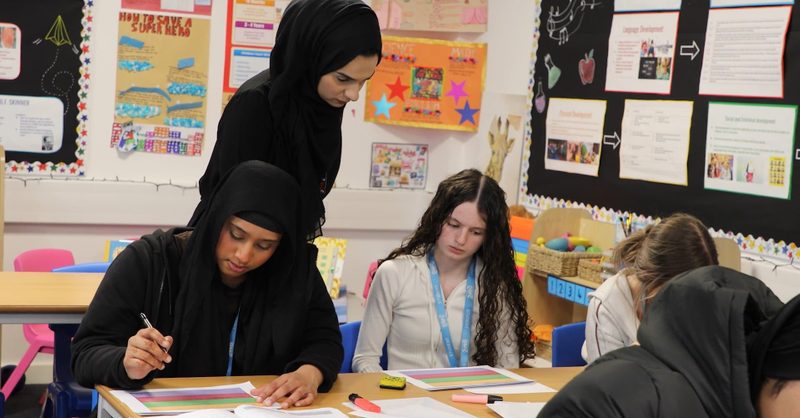
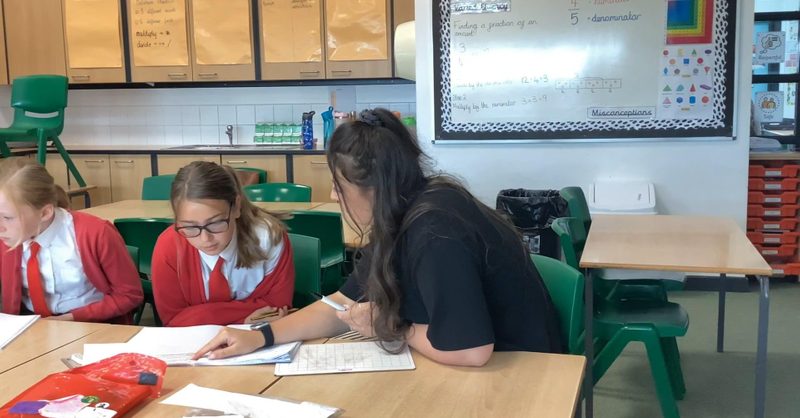
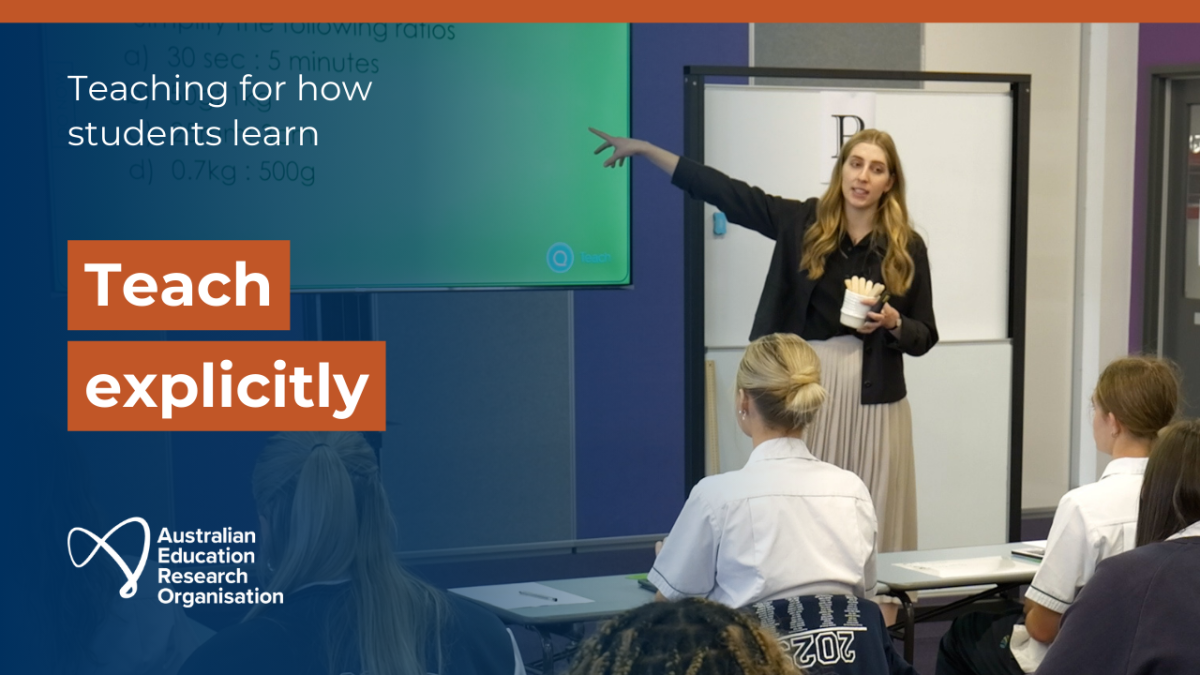
Teachers in primary and secondary classrooms show how they teach explicitly.
FreeOpens at edresearch.edu.au
Teaching practice
What a well-built lesson looks like from first explanation to independent practice, and how to judge when to release. This is the biggest area in the library. You'll find lessons you can watch being taught, Rosenshine's Principles of Instruction, webinars and podcasts, from the first explanation through worked examples to independent practice.
Practices in this area:Learning objectivesSmall stepsThink aloudWorked examplesGuided practiceFading
Lesson with commentary
AERO · F-10 · Australia
Teachers in primary and secondary classrooms show how they teach explicitly.
FreeOpens at edresearch.edu.au
Lesson footage
Research Schools Network · Years 3-6 · UK
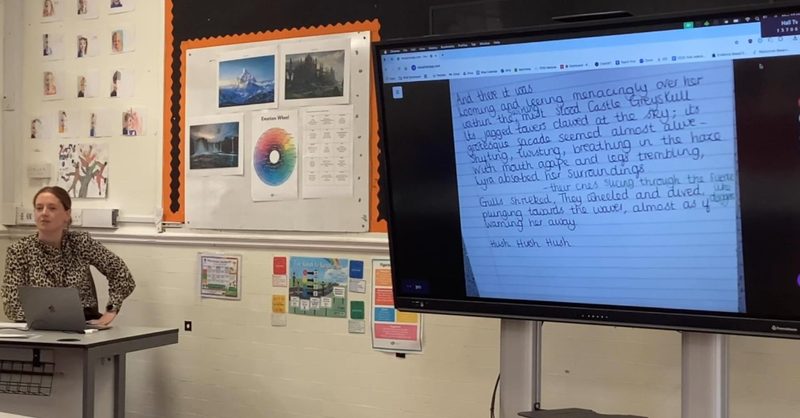
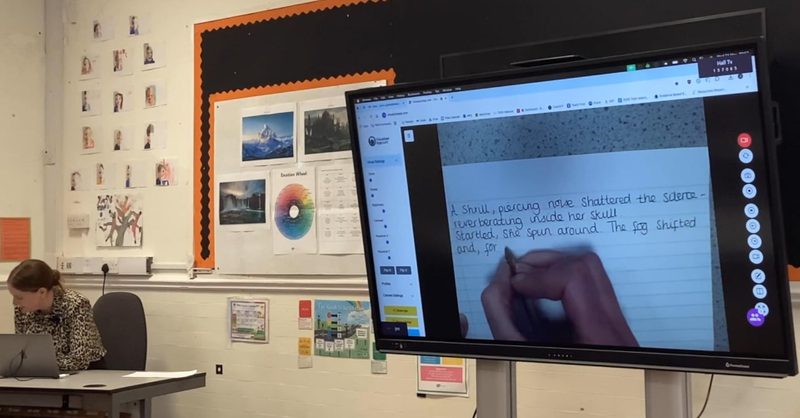
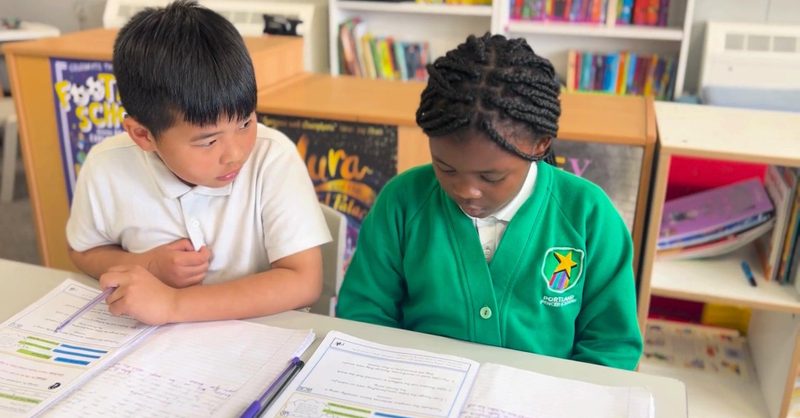
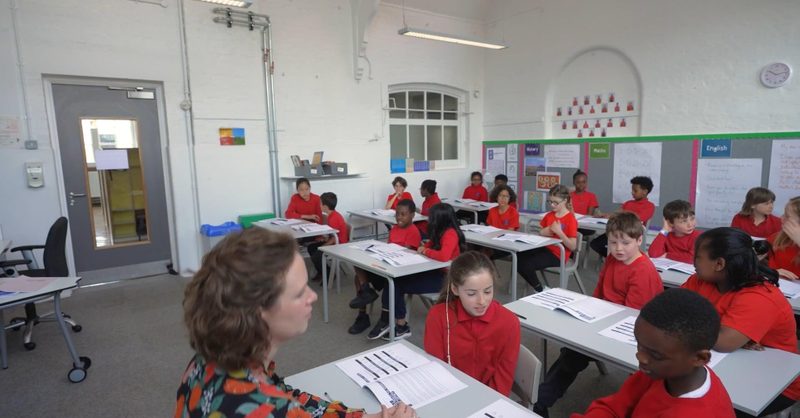
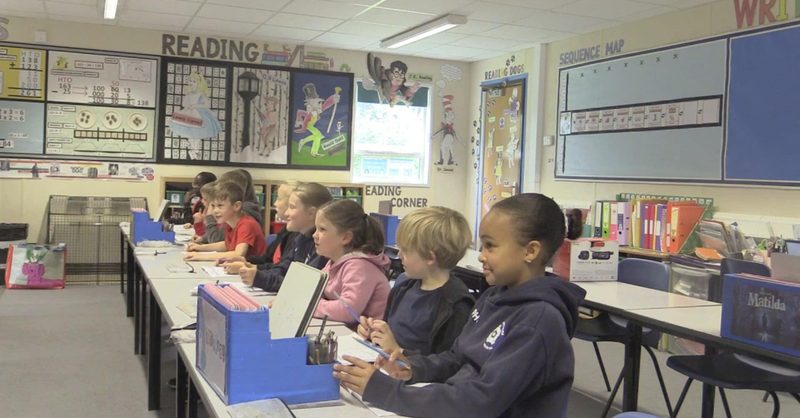
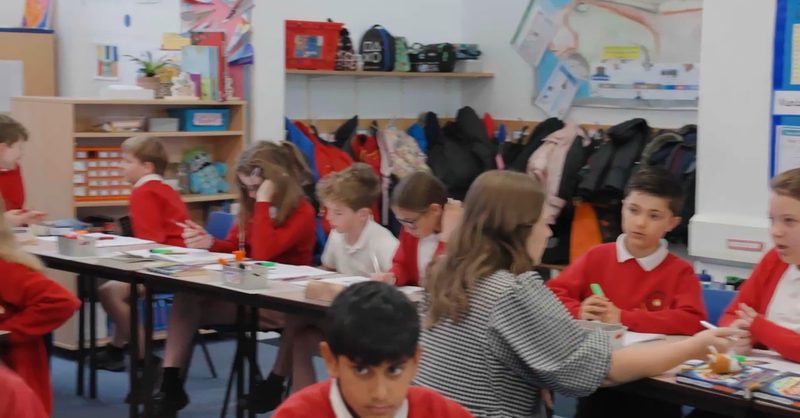
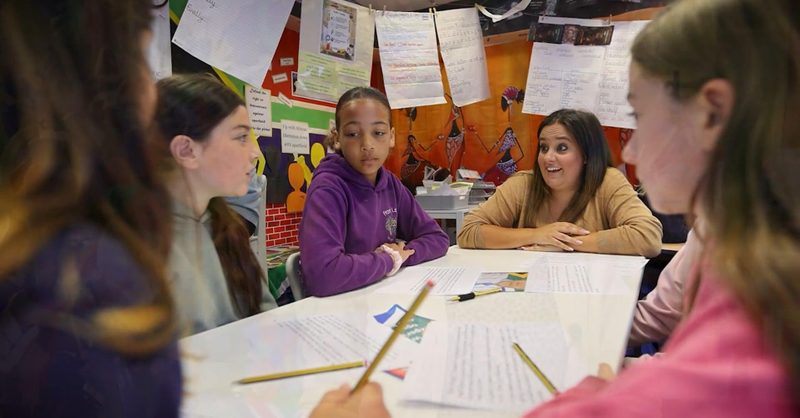
Keeping every pupil actively involved while the teacher models writing.
FreeOpens at researchschool.org.uk
Lesson footage
Research Schools Network · Years 3-6 · UK
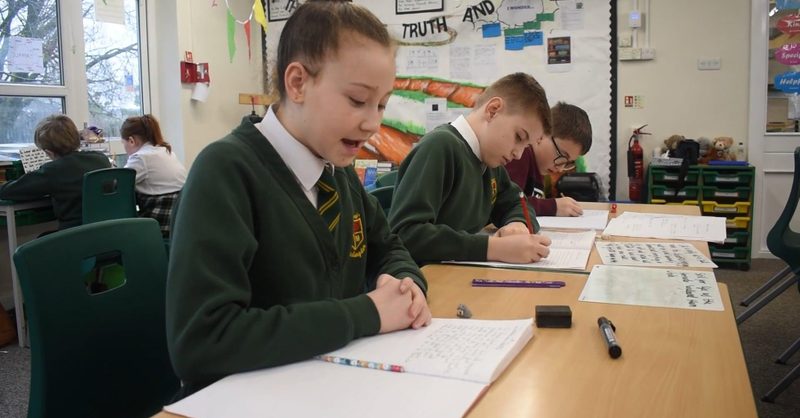
A teacher thinks aloud while writing to show how writers make decisions.
FreeOpens at researchschool.org.uk
Lesson with commentary
AERO · 13:00 · Year 2 · Australia
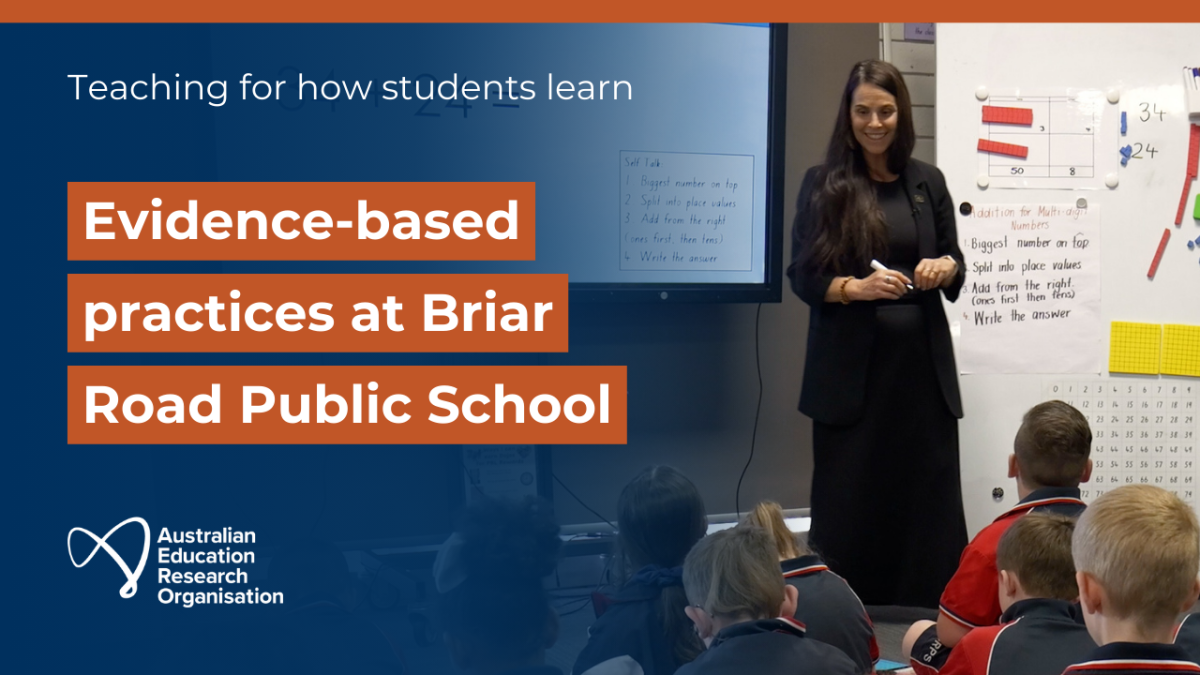
How evidence-based practices fit into a fast-paced daily review routine, with a literacy focus.
FreeOpens at edresearch.edu.au
Lesson footage
Research Schools Network · Years 3-6 · UK
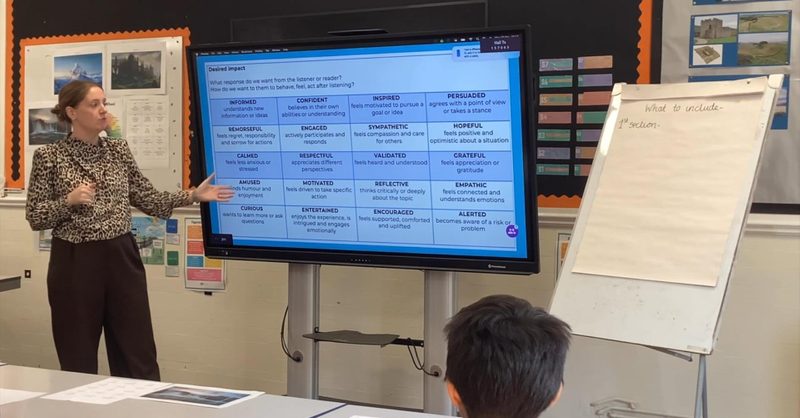
Modelled writing that teaches audience, tone and purpose.
FreeOpens at researchschool.org.uk
Lesson with commentary
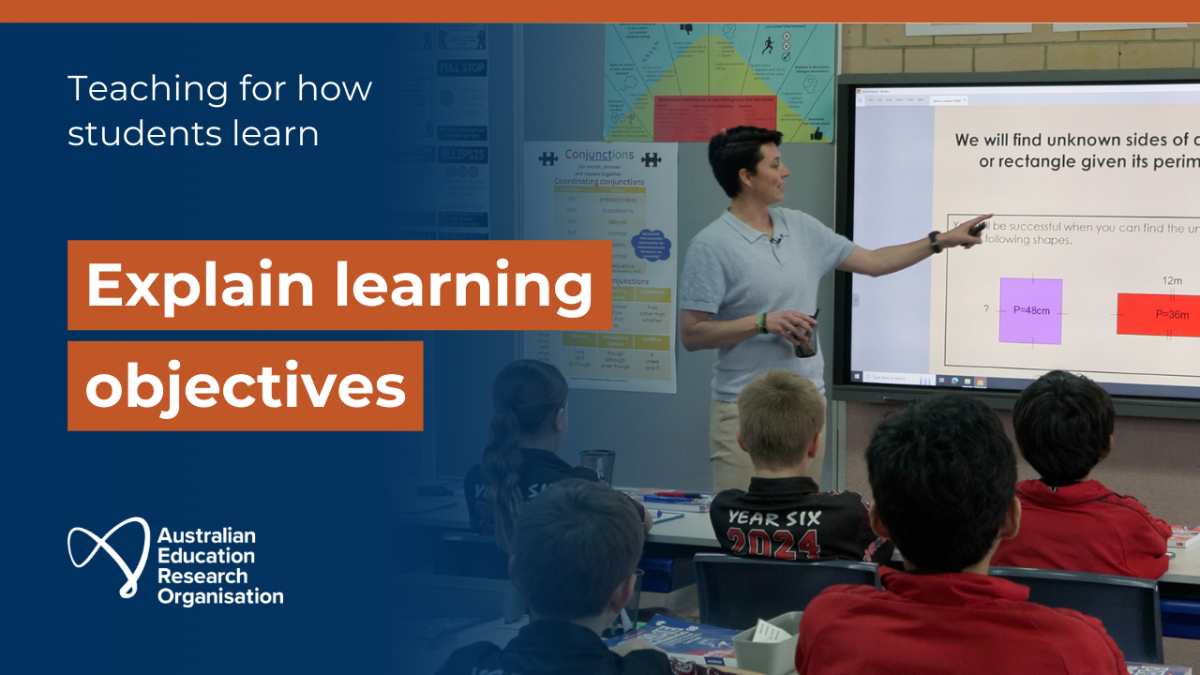
AERO · 7:26 · F-10 · Australia
Teachers from Year 1 to Year 10 in NSW and WA schools explain learning objectives, return to them and the success criteria during the lesson, and link new content to what students already know.
FreeOpens at edresearch.edu.au
Lesson footage
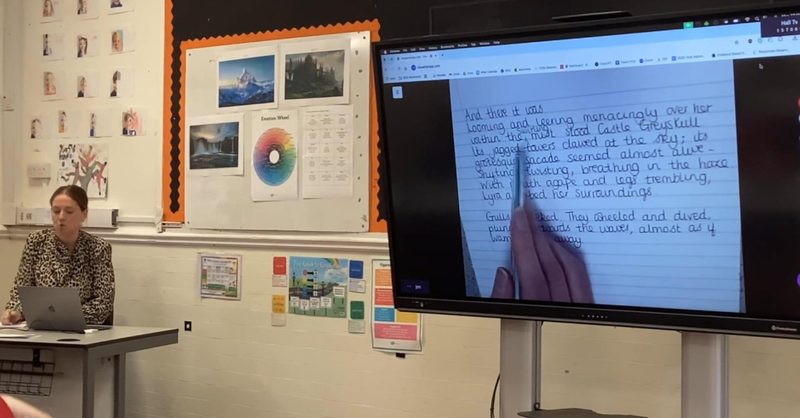
Research Schools Network · Years 3-6 · UK
A Key Stage 2 teacher in England models how she revises and edits her own writing, questioning herself aloud as she re-reads so students see the process. Reflection prompts are included.
FreeOpens at researchschool.org.uk
Lesson footage
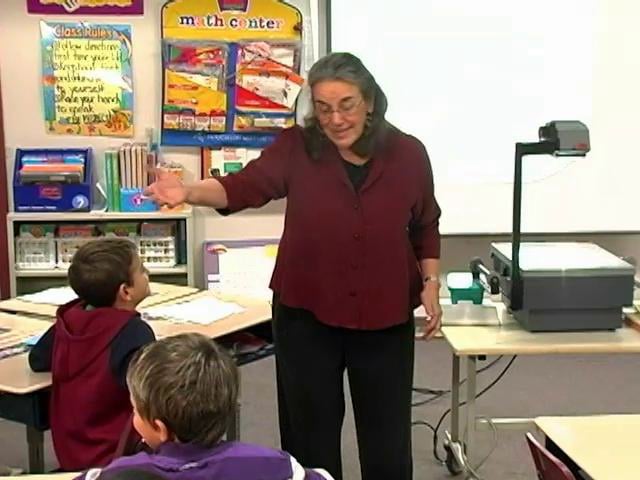
Anita Archer (explicitinstruction.org) · Primary · USA
Anita Archer models explicit instruction in a primary classroom.
FreeOpens at explicitinstruction.org
Lesson with commentary
NSW Department of Education · 6 short videos · F-2 · Australia
Six short videos follow teachers at Newcastle East Public School through one phonics teaching cycle, from joint planning and review to modelled, guided and independent practice, with reflection questions.
FreeOpens at education.nsw.gov.au
Lesson footage
Research Schools Network · Years 3-6 · UK
Gradually handing responsibility to pupils, with support for revising their writing.
FreeOpens at researchschool.org.uk
Lesson with commentary
AERO · 6:25 · Primary · Australia
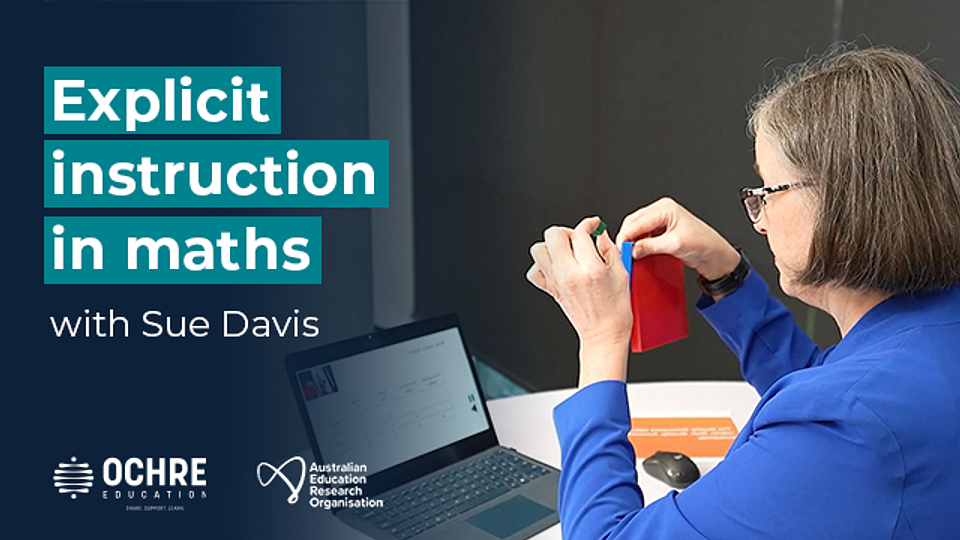
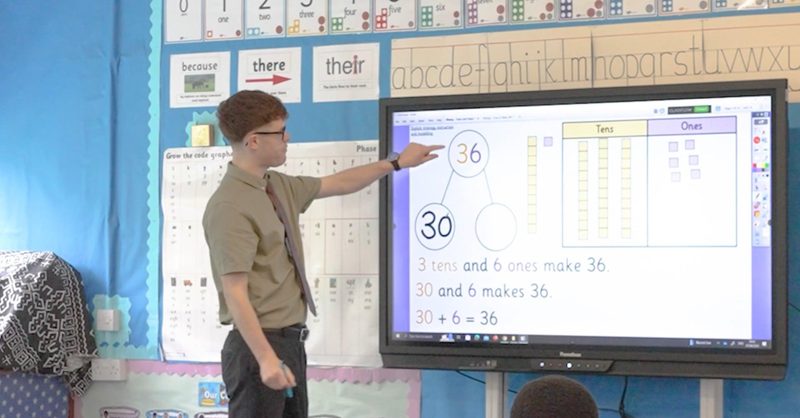
Victorian primary teacher Sue Davis teaches place value and adding 100 to four-digit numbers in small steps, using base-10 blocks and place value charts and checking understanding before moving on.
FreeOpens at edresearch.edu.au
Lesson footage
Research Schools Network · UK
A whole-school approach to modelling and scaffolding writing in primary classrooms.
FreeOpens at researchschool.org.uk
Lesson with commentary
AERO · 3:35 · Year 1 · Australia
Year 1 teachers at Loxton Primary School use explicit instruction in their classrooms.
FreeOpens at edresearch.edu.au
Lesson footage
Research Schools Network · UK
A teacher models fluent reading as part of guided oral reading.
FreeOpens at researchschool.org.uk
Lesson footage
ONlit · Upper primary and above · North America
Anita Archer teaches an explicit vocabulary lesson to older students, with every student actively taking part.
FreeOpens at onlit.org
Lesson footage
Research Schools Network · UK
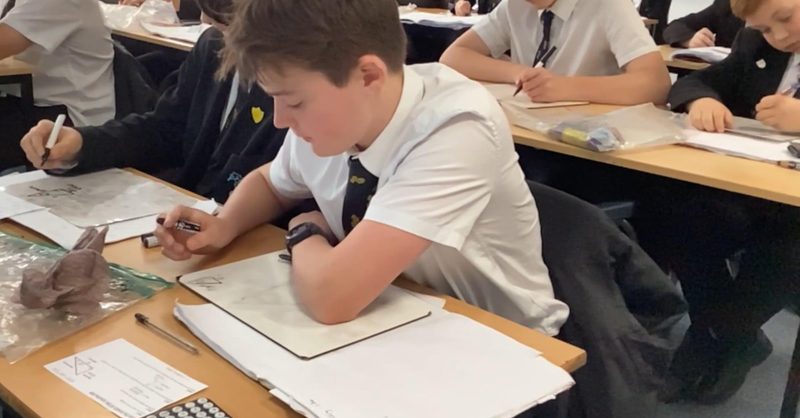
Modelling and scaffolding a complex writing task in a post-16 lesson.
FreeOpens at researchschool.org.uk
Demonstration
Reading Universe · F-2 · USA
A series that shows a strong phonics lesson routine and teaches you how to deliver it.
FreeOpens at readinguniverse.org
Lesson with commentary
Steplab · 44:06 · Primary and secondary · UK
How great teachers plan precisely, break content into manageable chunks and guide students with clear, interactive teaching.
FreeOpens at steplab.co
Lesson with commentary
Chalk Dust · Primary · Canada
JUMP Math founder John Mighton uses footage from Canadian primary classrooms, on place value and long division, to show how small steps and carefully sequenced practice help every student succeed in maths.
FreeOpens at youtube.com
Demonstration
The Writing Revolution · Primary · USA
The Writing Revolution models explicit writing instruction for primary students. Helpful for teachers who want to see the approach taught, not just described.
FreeOpens at youtube.com
Lesson footage
SBCUSD · 22:37 · F-2 · USA
A 22-minute video from SBCUSD in the United States showing explicit phonics instruction for the early years, organised around a six-step lesson method.
FreeOpens at youtube.com
Lesson footage
The IRIS Center Video Collection · Primary · USA
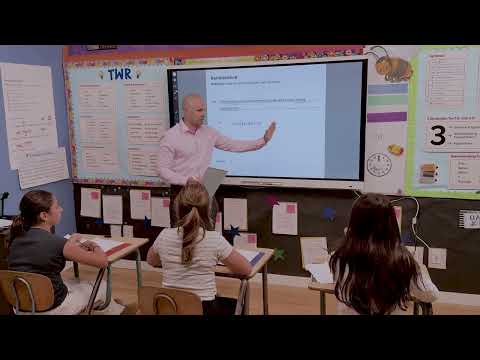
A primary school example of explicit, systematic instruction in maths, from the IRIS Center's video collection in the United States.
FreeOpens at youtube.com
Lesson footage
Research Schools Network · Years 3-6 · UK
Strategies for teaching vocabulary explicitly in upper primary.
FreeOpens at researchschool.org.uk
Lesson footage
Impact Curriculum (formerly Ochre Education) · 4:06 · Year 5 · Australia
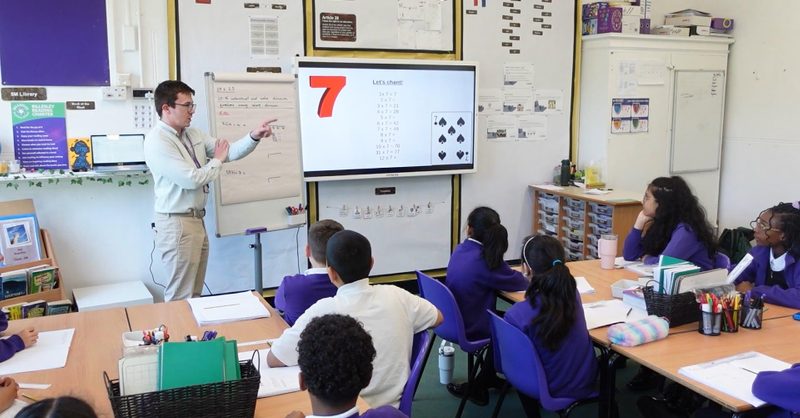
A Year 5 classroom demonstration of the instructional cycle in primary mathematics, from Ochre Education (now Impact Curriculum).
FreeOpens at youtube.com
Lesson with commentary
AERO · Years 5-6 · Australia
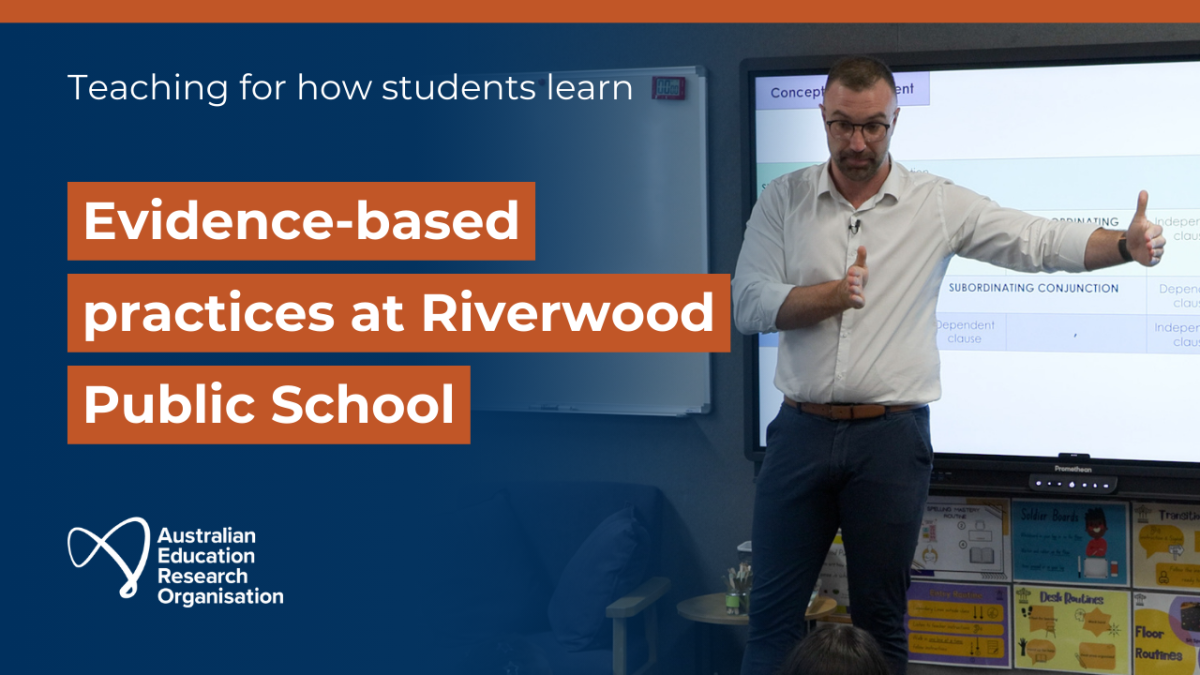
Evidence-based practices working together in a lesson that consolidates students' use of conjunctions in writing.
FreeOpens at edresearch.edu.au
Lesson footage
Research Schools Network · Years 3-6 · UK
Teaching reading comprehension strategies explicitly in upper primary.
FreeOpens at researchschool.org.uk
Lesson with commentary
AERO · F-10 · Australia
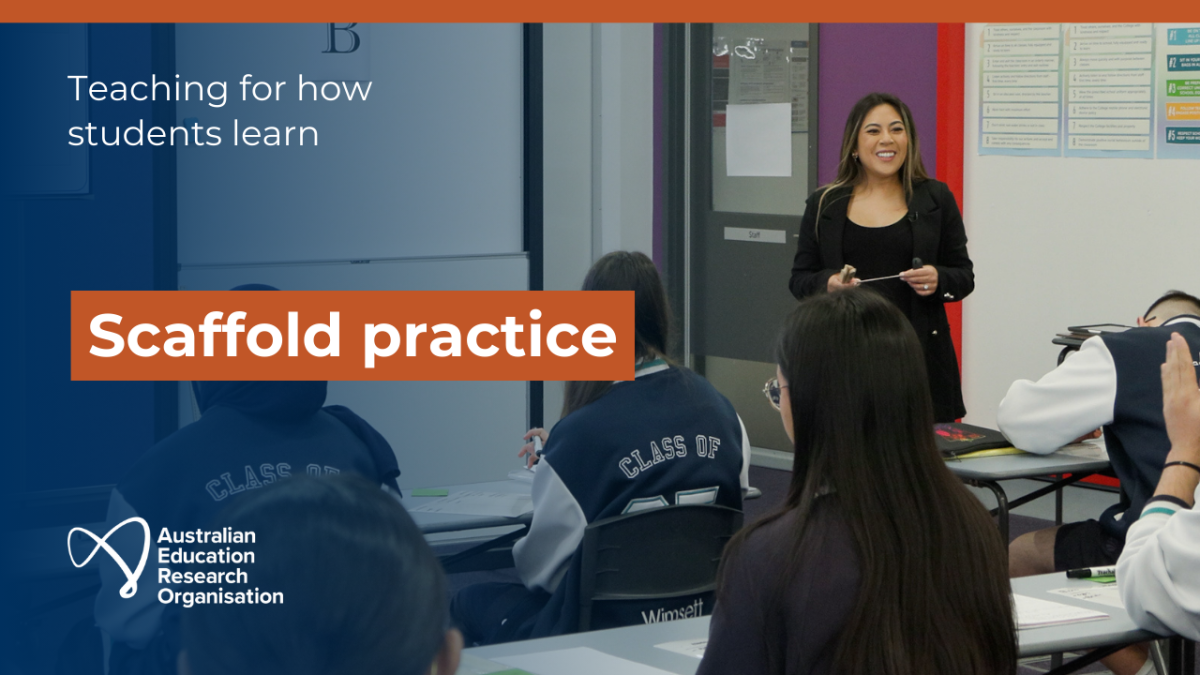
Teachers in primary and secondary classrooms show how they scaffold practice.
FreeOpens at edresearch.edu.au
Lesson footage
Research Schools Network · Year 5 · UK
Scaffolding pupil talk in a Year 5 classroom.
FreeOpens at researchschool.org.uk
Lesson with commentary
AERO · Primary · Australia
Evidence-based practices working together in a maths lesson on splitting numbers.
FreeOpens at edresearch.edu.au
Lesson footage
Research Schools Network · UK
A short clip from the maths section of the Research Schools Network library showing teacher modelling and explicit strategy instruction, presented as a way to support students' metacognition.
FreeOpens at researchschool.org.uk
Lesson footage
Anita Archer (explicitinstruction.org) · Primary · USA
Anita Archer models how to introduce a comprehension strategy.
FreeOpens at explicitinstruction.org
Lesson footage
Research Schools Network · Primary · UK
A teacher models reading line by line to support comprehension.
FreeOpens at researchschool.org.uk
Lesson footage
NSW Department of Education · 10:00 · F-2 · Australia
Ten minutes of classroom footage from Newcastle East Public School in which students see, hear, say and write a newly taught letter-sound correspondence.
FreeOpens at players.brightcove.net
Lesson footage
Research Schools Network · UK
Worked examples that break multi-step maths processes into manageable parts.
FreeOpens at researchschool.org.uk
Lesson with commentary
AERO · 20:34 · Year 11 · Australia
A Year 11 Visual Communication Design lesson in which several evidence-based practices work together as students apply design strategies they have already learned.
FreeOpens at edresearch.edu.au
Lesson footage
Research Schools Network · UK
Worked examples in mathematical problem solving, with problem and solution shown together.
FreeOpens at researchschool.org.uk
Lesson footage
Research Schools Network · UK
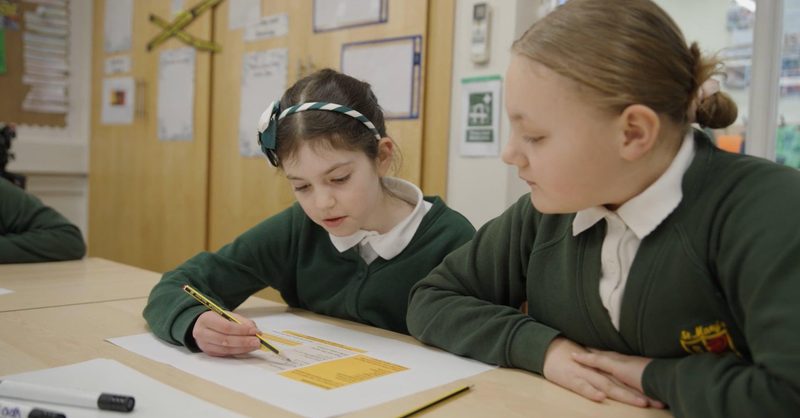
Teaching assistants scaffold learning with the least support first, to build independence.
FreeOpens at researchschool.org.uk
Lesson with commentary
AERO · Australia
An AERO video on explicit instruction in English lessons. One of AERO's subject-specific practice videos.
FreeOpens at edresearch.edu.au
Lesson footage
Research Schools Network · UK
Explicit instruction for pupils with special educational needs in mainstream and specialist primary settings.
FreeOpens at researchschool.org.uk
Webinar
Think Forward Educators, with Brendan Lee · About 1 hour · 2026 · Australia
Brendan Lee looks at the common reasons a maths lesson does not land and the instructional choices that make student success far more likely.
FreeOpens at thinkforwardeducators.org
Interview
NSW Department of Education · 14:01 · Years 7-12 · Australia
A NSW secondary school shares how it approaches explicit teaching, part of the What Works Best series.
FreeOpens at players.brightcove.net
Explainer
NSW Department of Education · 3:15 · F-12 · Australia
A short animation explaining how breaking new learning into small parts in a logical order protects working memory. The video sits partway down the strategy page.
FreeOpens at education.nsw.gov.au
Talk
Learning Difficulties Australia · Australia
A talk by Dr Lorraine Hammond, published by Learning Difficulties Australia, on explicit instruction and why the words teachers choose matter.
FreeOpens at youtube.com
Explainer
La Trobe University · 2:04 · Australia
A two-minute explainer from La Trobe University on what explicit teaching is. Short enough to open a staff meeting or share with families.
FreeOpens at youtube.com
Explainer
Education Endowment Foundation · About 2 minutes · UK
A two-minute Education Endowment Foundation explainer of its 'five-a-day' principle, a set of five core practices that help all pupils succeed, including those with special educational needs. A quick opener for a staff meeting on Tier 1 teaching.
FreeOpens at youtube.com
Series
ONlit, with Nathaniel Swain and guests · Six sessions · 2025 · Canada
A six-part book study on Nathaniel Swain's Harnessing the Science of Learning, with guest experts joining each session.
FreeOpens at onlit.org
Webinar
Think Forward Educators, with Kate Barton · About 1 hour · 2026 · Australia
Dr Kate Barton weighs the evidence on differentiation and ability grouping, then shows ways to add depth and stretch for high potential students within explicit teaching, with K-12 examples.
FreeOpens at thinkforwardeducators.org
Webinar
Think Forward Educators, with Peps Mccrea · About 1 hour · 2026 · UK
Peps Mccrea sets out a framework of five evidence-informed strategies teachers can use to lift learning, motivation and equity.
FreeOpens at thinkforwardeducators.org
Webinar
Think Forward Educators, with Samantha Charlton, Templestowe Heights Primary School · About 1 hour · 2025 · Australia
Samantha Charlton unpacks the parts of an explicit maths lesson aligned with the VTLM 2.0, covering review, teaching new content, guided and independent practice, fluency and in-lesson assessment.
FreeOpens at thinkforwardeducators.org
Webinar
Think Forward Educators, with Sean Alston · About 50 minutes · 2025 · Australia
Sean Alston explains the four stages of the Instructional Hierarchy and uses primary maths examples to show when to teach explicitly and when problem solving fits.
FreeOpens at thinkforwardeducators.org
Webinar
Think Forward Educators, with Jane St John, Jonathan Nettelbeck and Michelle Lastrilla · About 1 hour · 2025 · Australia
Staff from three small and regional schools describe how they organise multi-age classes, lessons, planning and intervention to teach maths explicitly, and the challenges they still face.
FreeOpens at thinkforwardeducators.org
Webinar
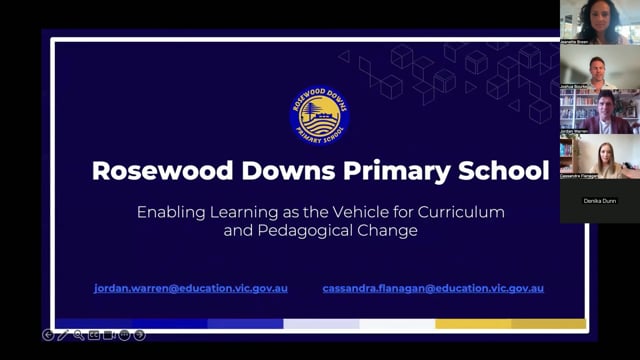
Think Forward Educators, with Joshua Bourke, Dandenong West Primary School, and Cassandra Flanagan, Rosewood Downs Primary School · About 1 hour · 2025 · Australia
Leaders from Rosewood Downs and Dandenong West primary schools recount how they built whole-school routines and behaviour expectations, then embedded explicit instruction and a knowledge-rich curriculum.
FreeOpens at thinkforwardeducators.org
Webinar
Think Forward Educators, with Manisha Gazula, Marsden Road Public School · About 75 minutes · 2023 · Australia
Principal Manisha Gazula describes how Marsden Road Public School in NSW used evidence and explicit teaching of foundational literacy and numeracy to lift student results.
FreeOpens at thinkforwardeducators.org
Webinar
Think Forward Educators, with Jacquie Burrows, Churchill Primary School, hosted by Steve Capp · About 1 hour · 2022 · Australia
Principal Jacquie Burrows recounts Churchill Primary School's turnaround using explicit direct instruction and the science of reading. The page notes that only part of the session was recorded.
FreeOpens at thinkforwardeducators.org
Webinar
Think Forward Educators, with Samantha Charlton and Martin Ravindran, Templestowe Heights Primary School · 30 to 60 minutes · 2023 · Australia
Two Templestowe Heights teachers unpack the evidence behind the F-2 maths strands, show what explicit teaching of them looks like and where play can connect.
Free account neededOpens at thinkforwardeducators.org
Webinar
Think Forward Educators, with Nuella Flynn, AERO · 30 to 60 minutes · 2023 · Australia
Nuella Flynn introduces AERO's model of learning and teaching, explaining why practices aligned with how students learn work more consistently and how the model can frame teacher development.
Free account neededOpens at thinkforwardeducators.org
Webinar
Think Forward Educators, with Alice Westera and Lisa Brodbeck · 30 to 60 minutes · 2024 · Australia
Alice Westera and Lisa Brodbeck introduce Engelmann's Direct Instruction, including Project Follow Through, the philosophy behind it and the teaching design shared by all DI programs.
Free account neededOpens at thinkforwardeducators.org
Webinar
Think Forward Educators, with Nathaniel Hansford · 30 to 60 minutes · 2024 · Canada
Nathaniel Hansford compares discovery, inquiry and explicit approaches in maths, reviews meta-analysis evidence and addresses common myths about conceptual knowledge, procedures and productive struggle.
Free account neededOpens at thinkforwardeducators.org
Webinar
Think Forward Educators, with Toni Hatten-Roberts, David Morkunas and Ollie Lovell · 30 to 60 minutes · 2024 · Australia
Toni Hatten-Roberts, David Morkunas and Ollie Lovell cover instructional routines, cognitive load and systematic review in primary maths, with practical strategies teachers can try straight away.
Free account neededOpens at thinkforwardeducators.org
Webinar
Think Forward Educators, with Peter Sherwin · 30 to 60 minutes · 2024 · Australia
Maths teacher Peter Sherwin draws on Bjork's desirable difficulties to describe effective teaching techniques and study habits that feel uncomfortable or counter-intuitive, and how to build them into lessons.
Free account neededOpens at thinkforwardeducators.org
Webinar
Think Forward Educators, with David Suter · 30 to 60 minutes · 2024 · Australia
Principal David Suter applies science of learning ideas to primary science, covering vocabulary, science inquiry versus inquiry learning, common misconceptions and formative assessment.
Free account neededOpens at thinkforwardeducators.org
Webinar
Think Forward Educators, with Nathaniel Swain · 30 to 60 minutes · 2024 · Australia
Nathaniel Swain introduces his book Harnessing the Science of Learning, using its school case studies to show how small changes in teaching, literacy, maths and curriculum add up.
Free account neededOpens at thinkforwardeducators.org
Interview
Teachers Talk Radio, with Jamie Clark and Nathaniel Swain · 2024 · UK
Jamie Clark talks with Australian teacher and researcher Nathaniel Swain about the science of learning movement and practical classroom strategies drawn from it.
FreeOpens at youtube.com
Interview
Teachers Talk Radio, with Jamie Clark and Zach Groshell · 2024 · UK
Jamie Clark and Zach Groshell discuss how students learn, how direct instruction improves learning, and how instructional coaching can help teachers refine their practice.
FreeOpens at youtube.com
Webinar
Think Forward Educators, with Brendan Lee · 30 to 60 minutes · 2023 · Australia
Brendan Lee sorts through mixed messages about primary maths, covering what to teach, how and when, with attention to fact fluency and the hierarchical nature of the subject.
Free account neededOpens at thinkforwardeducators.org
Webinar
NSW Department of Education · 30 minutes · 2024 · Australia
Jarrad Cox from the department's curriculum team walks leaders through the explicit teaching workshops, strategy modules and technique guides, and the thinking behind how to roll them out.
FreeOpens at education.nsw.gov.au

Clear explanations
Chalk & Talk · with Kristopher Boulton
Kristopher Boulton argues that many student errors in maths are predictable results of how concepts are taught, and shows how better instructional design can prevent misconceptions.
FreeOpens at chalkandtalkpodcast.podbean.com

Explicit instruction
Education Research Reading Room · with Anita Archer
Anita Archer sets out what explicit instruction involves and how teachers can apply it lesson by lesson, in the episode marking five years of the podcast.
FreeOpens at ollielovell.com
Core teaching habits
Knowledge for Teachers · with Carl Hendrick
Carl Hendrick, co-author of How Learning Happens, discusses five things every teacher should do and how to bridge research and classroom practice.
FreeOpens at knowledgeforteachers.podbean.com
Checking for understanding
Education Research Reading Room · with John Hollingsworth
John Hollingsworth, co-creator of Explicit Direct Instruction, explains the approach and how its lesson components turn research on effective teaching into daily classroom routines.
FreeOpens at ollielovell.com
Knowledge for Teachers · with Paul Kirschner and Nidhi Sachdeva
Paul Kirschner and Nidhi Sachdeva discuss their book Becoming an Expert Teacher, challenging the idea that great teaching is innate or comes simply with years of experience.
FreeOpens at knowledgeforteachers.podbean.com
Chalk & Talk · with Nidhi Sachdeva and Paul Kirschner
Nidhi Sachdeva and Paul Kirschner discuss what makes an expert teacher and how teaching expertise can be deliberately developed, drawing on their book Becoming an Expert Teacher.
FreeOpens at chalkandtalkpodcast.podbean.com
Worked examples
Education Research Reading Room · with Michael Pershan
Maths teacher and blogger Michael Pershan discusses what the research says about worked examples and how to use them well when teaching new procedures.
FreeOpens at ollielovell.com
Explicit instruction
Progressively Incorrect · with Anita Archer
FreeOpens at educationrickshaw.com
Instructional coaching
Education Research Reading Room · with Lorraine Hammond
Lorraine Hammond discusses her study of teachers taking up explicit instruction, and a directive coaching model in which the coach acts as an expert guide.
FreeOpens at ollielovell.com
The model in plain terms
The Relief Teacher's Podcast (Tradewind Australia)
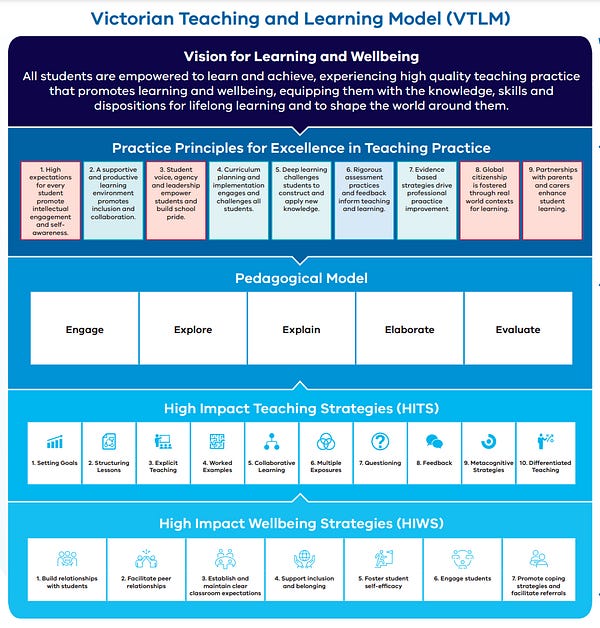
An overview of the Victorian Teaching and Learning Model 2.0 for relief teachers, covering its elements of learning and its grounding in evidence-based teaching practice.
FreeOpens at shows.acast.com
Using the start of the lesson
The Structured Literacy Podcast · with Jocelyn Seamer
Jocelyn Seamer explains primacy and recency, the finding that students best remember the start and end of lessons, and how to plan lessons around it.
FreeOpens at buzzsprout.com
Five core techniques
Teachers Talk Radio · with Jamie Clark
Jamie Clark walks Tom Rogers through five one-pagers, on minimising distractions, worked examples, activating prior knowledge, think, pair, share and low-stakes recall.
FreeOpens at podcasts.apple.com
Explicit instruction
Chalk & Talk · with Anita Archer
Anita Archer, co-author of Explicit Instruction: Effective and Efficient Teaching, explains what explicit instruction is and why it works.
FreeOpens at chalkandtalkpodcast.podbean.com
Lesson design
Education Research Reading Room · with David Morkunas
David Morkunas explains what goes into writing high-quality maths lessons and how those principles are built into the Explicit Mathematics Program.
FreeOpens at ollielovell.com
Fluency building
Knowledge for Teachers · with Kent Johnson and Andrew Kieta
Kent Johnson and Andrew Kieta of Morningside Academy explain the Morningside Model and how it helps students catch up without watering down the work.
FreeOpens at knowledgeforteachers.podbean.com
Self-explanation
Education Research Reading Room · with Alexander Renkl
Alexander Renkl explains how self-explanation, students' internal dialogue, affects learning from worked examples and problem solving, and how teachers can prompt it.
FreeOpens at ollielovell.com
Rosenshine's principles
Chalk & Talk · with Tom Sherrington
Tom Sherrington, author of Rosenshine's Principles in Action, explains how Rosenshine's Principles of Instruction became a foundation for his own practice and work with teachers.
FreeOpens at chalkandtalkpodcast.podbean.com
Dual coding and information design
Education Research Reading Room · with Oliver Caviglioli
Oliver Caviglioli, a former special school principal and expert in visual teaching strategies, discusses information design and how to present ideas clearly.
FreeOpens at ollielovell.com
 Greg Ashman (Filling the Pail) · Substack · 2024 · Australia
Written as Australian governments fund evidence-informed reform, Ashman sets out a working definition of explicit teaching, how it works within a lesson and across a sequence, and which versions the evidence supports.
FreeOpens at fillingthepail.substack.com
Jamie Clark · One-page guide · Australia
A one-page summary of Rosenshine's ten research-based principles, set alongside a simple model of memory. Handy for a staff meeting refresher or for new teachers learning the lesson cycle.
FreeOpens at jamieleeclark.com
 Carl Hendrick (The Learning Dispatch) · Substack · 2025 · UK
Hendrick distils Engelmann and Carnine's Theory of Instruction into ten design rules about examples, boundaries and sequencing, showing how careful instructional design helps every student form concepts, not only the strongest.
FreeOpens at carlhendrick.substack.com
 Rebecca Birch (On Education) · Substack · 2025 · Australia
Drawing on her doctoral literature review, Birch sets out research linking explicit teaching with better student behaviour and other non-academic outcomes, and argues that academic success underpins wellbeing.
FreeOpens at rebeccabirch.substack.com
 Ben Cooper (WAGOLL Teaching) · Substack · 2026 · UK
A primary lesson recount showing dual coding used properly, with words, diagrams and gesture working together rather than decorative icons on slides.
FreeOpens at wagollteaching.com
 Paul Kirschner · Substack · 2026 · International
Kirschner outlines ten classroom practices that look effective but are not, such as busy engagement and motivation first, and explains what the research suggests teachers do instead.
FreeOpens at paulkirschner173727.substack.com
Shaun Brien · Substack · 2026 · Australia
A Victorian teacher explains why checking for understanding sits at the heart of explicit instruction, and how to do it quickly and often with the whole class.
FreeOpens at mutallyassuredinstruction.substack.com
Jamie Clark · One-page guide · Australia
Explains working memory, long-term memory and schemas, then offers six ways to plan instruction that avoids overload. Draws on the NSW CESE classroom practice guide.
FreeOpens at jamieleeclark.com
Centre for Education Statistics and Evaluation (NSW) · Evidence guide · Australia
Opens at education.nsw.gov.au
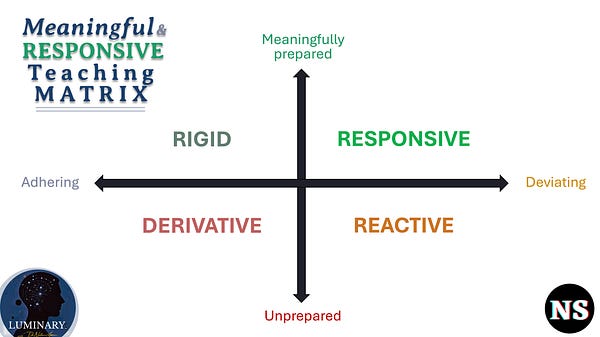
 Nathaniel Swain · Substack · 2026 · Australia
Swain offers a simple matrix of preparation and deviation to show why expert teaching is neither rigid script-reading nor improvisation, and why responsive teaching depends on thorough preparation.
FreeOpens at nathanielswain.substack.com
 Craig Barton (Tips for Teachers) · Substack · 2024 · UK
Using two versions of a maths explanation, Barton shows how to plan explanations that are clear and free of clutter, and how checking students were listening reveals whether an explanation worked.
FreeOpens at tipsforteachers.substack.com
 Haili Hughes · Substack · 2026 · Australia
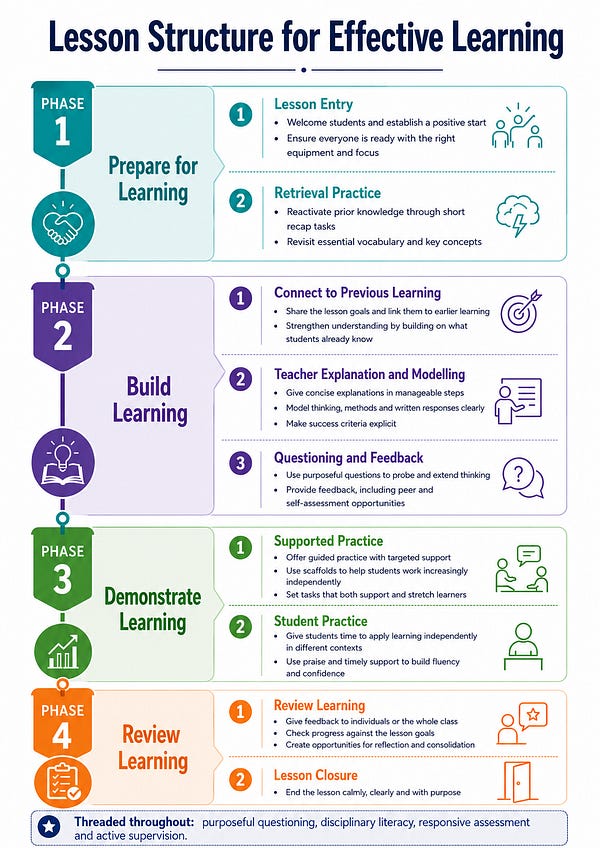
Hughes explains how well-meant whole-school lesson structures built from cognitive science can become rigid checklists, and why subject knowledge and teacher judgement must shape how principles are used.
FreeOpens at hailihughes.substack.com
 Mary Myatt (Curriculum 101) · Substack · 2026 · UK
Myatt asks whether sentence starters and talk frames can become a ceiling rather than a launch pad, and how teachers can push for fuller, more thoughtful answers.
FreeOpens at marymyatt.substack.com
 Trisha Jha (Publican Policy) · Substack · 2026 · Australia
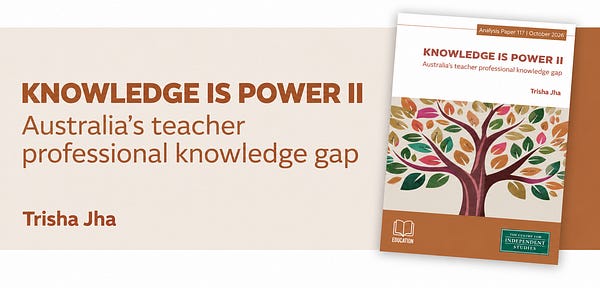
A summary of new Australian research surveying teachers on what they know and do about explicit teaching, with replies to common criticisms of the findings.
FreeOpens at publicanpolicy.substack.com
Greg Ashman (Filling the Pail) · Substack · 2025 · Australia
The first in a series preparing teachers for common objections. Ashman examines the claim that explicit teaching only builds rote recall, drawing on empirical evidence and theory about understanding.
FreeOpens at fillingthepail.substack.com
Greg Ashman (Filling the Pail) · Substack · 2025 · Australia
Ashman tackles the claim that explicit teaching stifles creativity and higher-order thinking, tracing the idea to readings of Bloom's taxonomy and arguing for the whole explicit teaching process instead.
FreeOpens at fillingthepail.substack.com
Greg Ashman (Filling the Pail) · Substack · 2025 · Australia
Ashman takes on the claim that explicit teaching kills teacher creativity and autonomy, arguing that constraint can free creativity and that shared lesson plans leave room to refine one thing well.
FreeOpens at fillingthepail.substack.com
Greg Ashman (Filling the Pail) · Substack · 2025 · Australia
Ashman responds to the objection that explicit teaching ignores individual differences, questioning differentiation as a cure-all and explaining which differences between students really matter for instruction.
FreeOpens at fillingthepail.substack.com
Greg Ashman (Filling the Pail) · Substack · 2025 · Australia
The last in Ashman's series takes on the claim that explicit teaching kills motivation, arguing from experience and research that early success through clear instruction is what motivates learners.
FreeOpens at fillingthepail.substack.com
Jamie Clark · One-page guide · Australia
Shows how to design slides and handouts that cut clutter, keep information visible and keep related material together, with short subject examples for each cognitive load effect.
FreeOpens at jamieleeclark.com
Carl Hendrick (The Learning Dispatch) · Substack · 2026 · UK
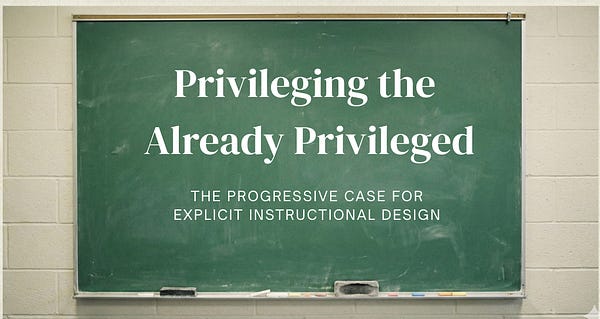
Hendrick argues that minimally guided discovery learning shifts the work onto students and favours those who arrive with advantages, making explicit instructional design the more progressive and equitable choice.
FreeOpens at carlhendrick.substack.com
Rebecca Birch (On Education) · Substack · 2026 · Australia
Birch explains how new research on prior knowledge and the expertise reversal effect has partly changed her view on whether gifted learners always need explicit teaching before problem solving.
FreeOpens at rebeccabirch.substack.com
Ben Cooper (WAGOLL Teaching) · Substack · 2025 · UK
The first in a series on task design, explaining how tasks such as comparing, sequencing and chunking help primary children organise knowledge so it sticks.
FreeOpens at wagollteaching.com
AERO · Guides and explainers · Australia
Opens at edresearch.edu.au
NSW Department of Education · PL workshops and technique guides · Australia
Opens at education.nsw.gov.au
 Nidhi Sachdeva and Jim Hewitt (The Science of Learning) · Substack · 2025 · International
Opens at scienceoflearning.substack.com
Department of Education, Victoria · Policy · Australia
Opens at www2.education.vic.gov.au
Tes · News report · UK
Opens at tes.com
Teach Like a Champion (Doug Lemov) · Blog series · USA
Opens at teachlikeachampion.org
Coe, Rauch, Kime and Singleton (Evidence Based Education) · Evidence review · 2020 · UK
Opens at evidencebased.education
Education Endowment Foundation · Guidance report · UK
The Education Endowment Foundation's guidance report gives five evidence-based recommendations for supporting pupils with additional needs in mainstream classrooms, with high quality everyday teaching at the centre.
FreeOpens at educationendowmentfoundation.org.uk
 Natalie Wexler (Minding the Gap) · Substack · 2025 · USA
Wexler argues that motivation tends to follow achievement, so clear teaching that lets students succeed is a more reliable way to motivate them than choice, relevance or rewards.
FreeOpens at nataliewexler.substack.com
Greg Ashman (Filling the Pail) · Substack · 2023 · Australia
Ashman links tiered support to whole-class teaching, arguing that explicit teaching, including structured literacy, is a strong Tier 1 approach for learning and behaviour and is inclusive of students with disabilities.
FreeOpens at fillingthepail.substack.com
 Doug Lemov (Doug Lemov's Field Notes) · Substack · 2026 · USA
Lemov shares notes on Daniel Willingham's explanation of why stories are easier to understand and remember, and what that means for how teachers structure explanations and use shared stories.
FreeOpens at douglemov.substack.com
Jamie Clark · One-page guide · Australia
Summarises Anita Archer and Charles Hughes's model, including the lesson opening, body and closing and the input, question, response, monitor and feedback cycle.
FreeOpens at jamieleeclark.com
Carl Hendrick and Jamie Clark · One-page guide · Australia
A one-page version of Carl Hendrick's responsive teaching guide for UNESCO's International Bureau of Education, covering prior knowledge, high expectations and adapting to evidence of learning.
FreeOpens at jamieleeclark.com
Jamie Clark (DistillED) · Newsletter article · 2026 · Australia
Brings together the ten principles, grouped into Tom Sherrington's four strands, with explanations of why they matter and how they look in practice.
FreeOpens at newsletter.jamieleeclark.com
Paul Kirschner · Substack · 2025 · International
Kirschner sets out ten psychological, ideological and practical reasons discovery learning stays popular even though the research favours guided, explicit teaching for novices. Useful for staff conversations about pedagogy.
FreeOpens at paulkirschner173727.substack.com
 Kylie Hoey · Substack · 2026 · Australia
Warns that many schools claiming explicit instruction deliver little more than slide-heavy lessons, and explains what the approach actually involves when it is done well.
FreeOpens at kyliehoey.substack.com
Shaun Brien · Substack · 2026 · Australia
Explains why novices need expert thinking made visible, and how worked examples and think-alouds help, with an example video made for a class.
FreeOpens at mutallyassuredinstruction.substack.com
 Daniel Willingham · Substack · 2026 · USA
Willingham notes that Season 1 of Sold a Story disputed methods for a shared goal, while the newer debate over Direct Instruction is partly about what schooling is for.
FreeOpens at dtwuva.substack.com
Carl Hendrick (The Learning Dispatch) · Substack · 2025 · UK
Hendrick examines a careful replication of the famous 1978 scaffolding study that found no benefit from the classic rule of more help after failure, and considers what this means for teaching and tutoring.
FreeOpens at carlhendrick.substack.com
Rebecca Birch (On Education) · Substack · 2026 · Australia
Birch argues that inclusive teaching should build on the needs students share, such as clear explanation, predictability and guided practice, rather than treating a growing group of students as individual adjustments.
FreeOpens at rebeccabirch.substack.com
Ben Cooper (WAGOLL Teaching) · Substack · 2026 · UK
Argues that good pace is not about talking faster but removing friction, such as slow transitions and unclear instructions, that wastes primary lesson time.
FreeOpens at wagollteaching.com
Jamie Clark · One-page guide · Australia
Sets out why fully guided instruction beats minimal guidance for novices, drawing on Kirschner, Sweller and Clark, and shows the I do, we do, you do sequence with fading.
FreeOpens at jamieleeclark.com
Greg Ashman (Filling the Pail) · Substack · 2024 · Australia
Ashman questions the popular idea, especially in maths, of designing lessons so students struggle first, examining the case for constructivism and productive failure and the ethics of deliberate difficulty.
FreeOpens at fillingthepail.substack.com
Centre for Education Statistics and Evaluation (NSW) · Illustration of practice · Australia
Opens at education.nsw.gov.au
Nathaniel Swain · Substack · 2026 · Australia
Swain answers the claim that explicit teaching produces passive learners. He shows how building secure foundations first lets students generate and apply ideas, so knowledge becomes something to think with.
FreeOpens at nathanielswain.substack.com
Craig Barton (Tips for Teachers) · Substack · 2026 · UK
Barton breaks down a meta-analysis of classroom experiments on adding pictures and diagrams to explanations, including where visuals helped most and how to use them well.
FreeOpens at tipsforteachers.substack.com
Haili Hughes · Substack · 2026 · Australia
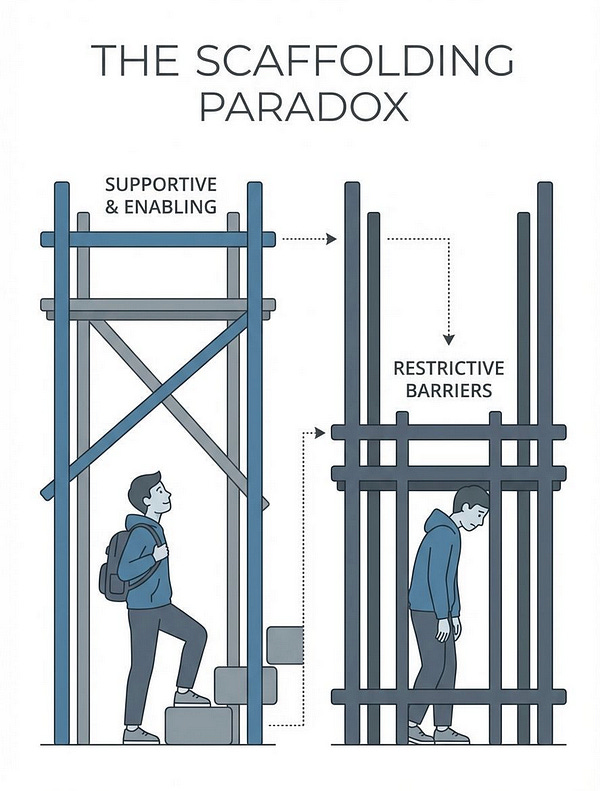
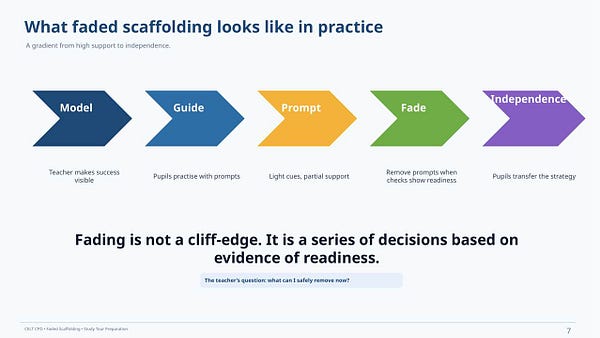
Hughes explains how scaffolds such as sentence starters and writing frames should be temporary and targeted, keeping tasks ambitious and gradually removed as students show they are ready.
FreeOpens at hailihughes.substack.com
Mary Myatt (Curriculum 101) · Substack · 2026 · UK
Myatt explores how well-meant supports, such as simplified tasks and heavy prompting, can lower expectations, and how to keep challenge high while making it manageable for all pupils.
FreeOpens at marymyatt.substack.com
Trisha Jha (Publican Policy) · Substack · 2024 · Australia
Asks whether Victorian government schools really treat explicit teaching as a core component, comparing official documents and guidance with the Catholic sector's science of learning position.
FreeOpens at publicanpolicy.substack.com
Jamie Clark · One-page guide · Australia
Summarises Hollingsworth and Ybarra's lesson design, from learning objective to periodic review, with student engagement norms such as choral reading, pair-shares and whiteboards.
FreeOpens at jamieleeclark.com
Paul Kirschner · Substack · 2026 · International
Kirschner questions failure-first lesson designs, arguing that struggle before students have the knowledge to make sense of it is rarely a desirable difficulty, and that support should come first.
FreeOpens at paulkirschner173727.substack.com
Shaun Brien · Substack · 2026 · Australia
Practical advice on using a document camera to model live, show student work and give feedback without clunky transitions.
FreeOpens at mutallyassuredinstruction.substack.com
Carl Hendrick (The Learning Dispatch) · Substack · 2025 · UK
Hendrick discusses a computational study suggesting students with ADHD and dyslexia face distinct extra costs in unguided learning, and why clear, explicit guidance matters even more for them.
FreeOpens at carlhendrick.substack.com
Rebecca Birch (On Education) · Substack · 2024 · Australia
Birch explains how the TAPPLE sequence from Explicit Direct Instruction changed her secondary English teaching, walking through each step and what it is not, including its effect on workload.
FreeOpens at rebeccabirch.substack.com
Ben Cooper (WAGOLL Teaching) · Substack · 2025 · UK
How to think aloud when modelling, including showing hesitations and corrections, so primary pupils hear the expert thinking behind a finished piece of work.
FreeOpens at wagollteaching.com
Greg Ashman (Filling the Pail) · Substack · 2023 · Australia
A short, practical reflection on keeping whole-class explicit teaching lively, using voice, story, urgency and momentum, and why being interesting does not mean being an entertainer.
FreeOpens at fillingthepail.substack.com
Jamie Clark · One-page guide · Australia
Argues for scaffolding upwards rather than differentiating downwards, with worked examples of writing frames and guided practice that keep the task demanding while supporting students who struggle.
FreeOpens at jamieleeclark.com
Clark, Kirschner and Sweller · 2012 · Foundational research
Opens at aft.org
Stockard, Wood, Coughlin and Rasplica Khoury · 2018 · Foundational research
Opens at scholarsbank.uoregon.edu
US Office of Education evaluation · 1977 · Large-scale evaluation
Opens at nifdi.org
AERO · 2024 · Rapid literature scan
Opens at edresearch.edu.au
Substack and podcast · Australia
Opens at nathanielswain.substack.com
Substack · Australia
Opens at rebeccabirch.substack.com
Conversations and podcast · Australia
Opens at bronwynryriejones.com
Substack and podcast · Australia
Opens at knowledgeforteachers.substack.com
Substack · Australia
Opens at fillingthepail.substack.com
Substack · International
Opens at carlhendrick.substack.com