No More Marking
 Daisy Christodoulou (No More Marking) · Substack · 2026 · UK
Christodoulou explains why tailoring lessons to students' interests rarely improves learning, and warns that arguments for personalisation often promise better pacing but deliver isolated screen time.
Publican Policy
 Trisha Jha (Publican Policy) · Substack · 2026 · Australia
A summary of new Australian research surveying teachers on what they know and do about explicit teaching, with replies to common criticisms of the findings.
Filling the Pail Greg Ashman (Filling the Pail) · Substack · 2025 · Australia
The first in a series preparing teachers for common objections. Ashman examines the claim that explicit teaching only builds rote recall, drawing on empirical evidence and theory about understanding.
Filling the PailGreg Ashman (Filling the Pail) · Substack · 2025 · Australia
Ashman tackles the claim that explicit teaching stifles creativity and higher-order thinking, tracing the idea to readings of Bloom's taxonomy and arguing for the whole explicit teaching process instead.
The Learning Dispatch
 Carl Hendrick (The Learning Dispatch) · Substack · 2026 · UK
Hendrick argues that minimally guided discovery learning shifts the work onto students and favours those who arrive with advantages, making explicit instructional design the more progressive and equitable choice.
Paul Kirschner Paul Kirschner · Substack · 2025 · International
Drawing on their work on new Flemish primary goals, the authors answer five objections to knowledge-rich curriculum, such as that it is disconnected facts, stifles creativity or is too ambitious.
Daniel Willingham Daniel Willingham · Substack · 2025 · USA
Willingham highlights Tim Shanahan's case against levelled reading, explaining why matching children to texts by reading level is inefficient and holds back weaker readers.
The Learning Dispatch
Carl Hendrick (The Learning Dispatch) · Substack · 2026 · UK
Hendrick reviews new evidence that growth mindset interventions do little for achievement on their own, and argues that real success through effective practice is what builds students' belief in themselves.
Shanker InstituteShanker Institute · Blog post · USA
The Hechinger ReportThe Hechinger Report · News analysis · USA
The Reading LeagueThe Reading League · Guide, free eBook · USA
The Reading League's guide to what the science of reading is and what it is not. The free eBook is a helpful shared reference when the term is being used loosely.
Filling the Pail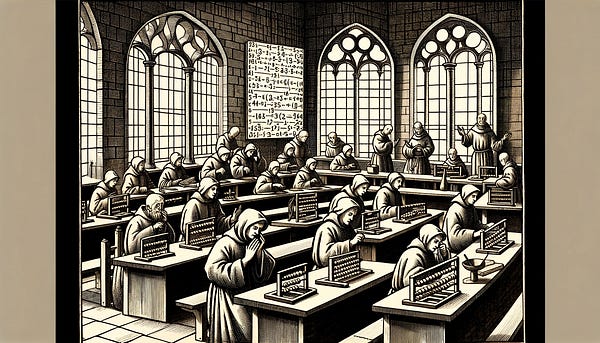
Greg Ashman (Filling the Pail) · Substack · 2024 · Australia
Ashman questions the popular idea, especially in maths, of designing lessons so students struggle first, examining the case for constructivism and productive failure and the ethics of deliberate difficulty.
Tips for Teachers Craig Barton (Tips for Teachers) · Substack · 2026 · UK
Barton summarises Linda Graham and colleagues' review of differentiation research, which found the term used for very different, sometimes incompatible practices, and discusses what that means for teachers.
Doug Lemov's Field Notes Doug Lemov (Doug Lemov's Field Notes) · Substack · 2026 · USA
Lemov recommends George Bonanno's research on resilience and cautions that loose use of the words trauma and trauma-informed in schools can lead to well-meant but counterproductive responses.
Dr Haili Hughes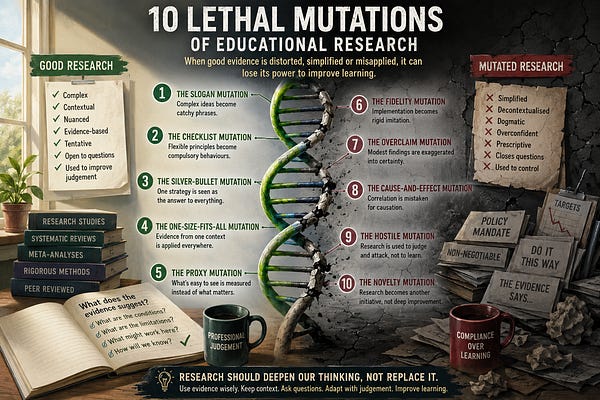
 Haili Hughes · Substack · 2026 · Australia
Hughes names ten ways research gets distorted on its way into schools, such as slogans and rigid rules, and suggests how leaders can keep the nuance of the original evidence.
Jamie ClarkJamie Clark · One-page guide · Australia
Sets out why fully guided instruction beats minimal guidance for novices, drawing on Kirschner, Sweller and Clark, and shows the I do, we do, you do sequence with fading.
Jamie Clark (DistillED)
Jamie Clark (DistillED) · Newsletter article · 2026 · Australia
Distinguishes a strategy (what you do) from a principle (why you do it) and argues professional learning should start from principles. Builds on a Haili Hughes article.
Making Words Make Sense
 Harriett Janetos (Making Words Make Sense) · Substack · 2026 · USA
A detailed explanation of why the three-cueing approach confuses guessing from meaning with reading the word, and what code-based teaching of word identification should look like instead.
The Curriculum Insight Project
 Karen Vaites (The Curriculum Insight Project) · Substack · 2026 · USA
Karen Vaites traces how a stand-alone oral phonemic awareness program became widespread in US schools, and why recent research favours linking sounds to letters instead.
The Learning Dispatch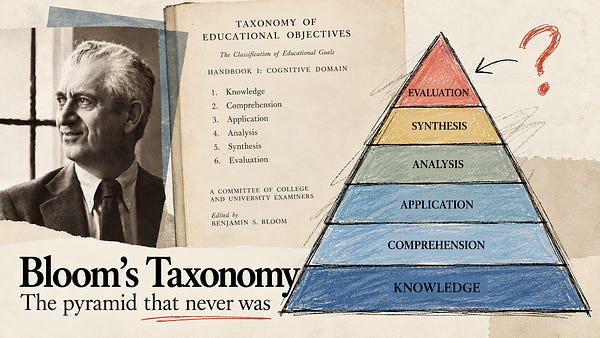
Carl Hendrick (The Learning Dispatch) · Substack · 2026 · UK
A history of how a 1956 handbook for classifying exam questions became a pyramid that ranks thinking above knowledge, and why that reading misleads curriculum and lesson planning.
Paul Kirschner
Paul Kirschner · Substack · 2025 · International
Kirschner sets out ten psychological, ideological and practical reasons discovery learning stays popular even though the research favours guided, explicit teaching for novices. Useful for staff conversations about pedagogy.
Daniel Willingham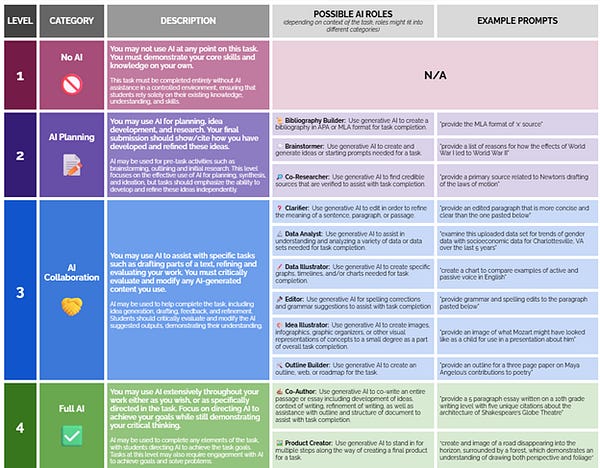
Daniel Willingham · Substack · 2026 · USA
Willingham proposes a guiding rule for school AI policies, that students should only use AI for tasks they can already do well, so the tools do not replace important thinking.
The Learning Dispatch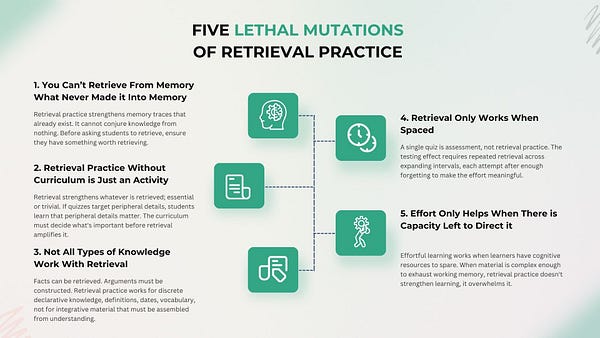
Carl Hendrick (The Learning Dispatch) · Substack · 2025 · UK
Hendrick sets out five ways retrieval practice goes wrong in classrooms, including quizzing on material never learnt and skipping spacing, and discusses a study on retrieval with complex material.
Filling the Pail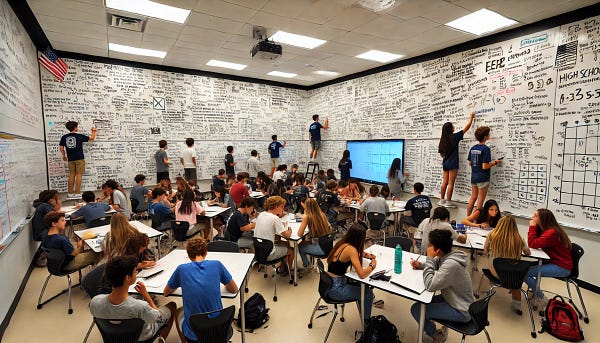
Greg Ashman (Filling the Pail) · Substack · 2024 · Australia
Ashman critiques Building Thinking Classrooms, arguing that it defines explained and modelled instruction as not thinking and that its claims are not supported by cognitive science.
No More Marking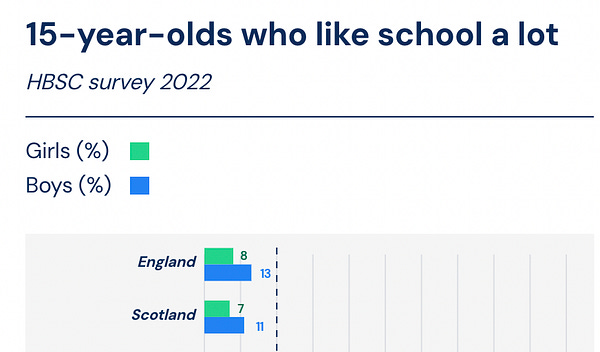
Daisy Christodoulou (No More Marking) · Substack · 2026 · UK
Christodoulou tests the claim that England's knowledge-rich reforms worsened young people's mental health, comparing trends across the UK nations and concluding the evidence does not support the link.
Publican Policy
Trisha Jha (Publican Policy) · Substack · 2026 · Australia
Reviews a trial in which professional development on teacher mindsets, called a culture of learning, lifted student outcomes, and argues it complements rather than competes with science of learning approaches.
The Learning Dispatch
Carl Hendrick (The Learning Dispatch) · Substack · 2025 · UK
Hendrick examines a careful replication of the famous 1978 scaffolding study that found no benefit from the classic rule of more help after failure, and considers what this means for teaching and tutoring.
Dr Haili HughesHaili Hughes · Substack · 2026 · Australia
Hughes reflects on the hostility in Australia's debates about explicit teaching and the science of reading, linking it to teacher identity and suggesting how leaders can help teachers reconsider practice.
Paul KirschnerPaul Kirschner · Substack · 2026 · International
Kirschner questions failure-first lesson designs, arguing that struggle before students have the knowledge to make sense of it is rarely a desirable difficulty, and that support should come first.
Daniel WillinghamDaniel Willingham · Substack · 2026 · USA
Willingham notes that Season 1 of Sold a Story disputed methods for a shared goal, while the newer debate over Direct Instruction is partly about what schooling is for.
Filling the Pail
Greg Ashman (Filling the Pail) · Substack · 2021 · Australia
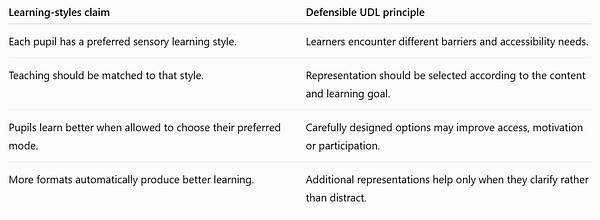
Ashman discusses a paper drawing parallels between Universal Design for Learning and learning styles, and raises concerns about its evidence base, its planning workload and its spread into policy.
The Learning Dispatch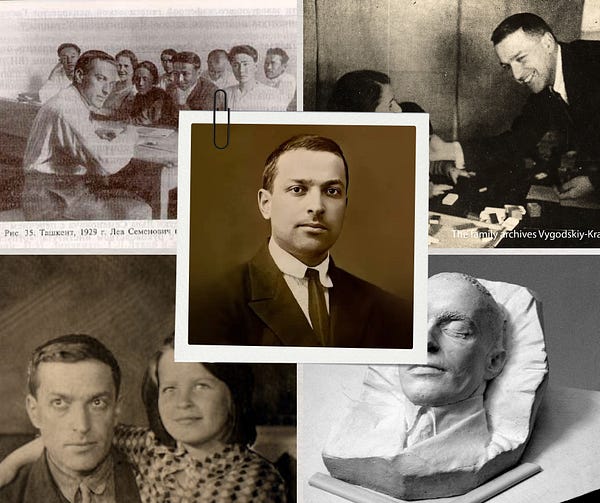
Carl Hendrick (The Learning Dispatch) · Substack · 2025 · UK
Hendrick traces how translations and selective readings turned Vygotsky into a champion of discovery learning, and argues his own work placed far more weight on teaching systematic, scientific concepts.